Texas tree removal and trimming leads, in the weeks between the storms.
Ice and hurricane weeks book themselves. We deliver exclusive Texas homeowner leads for removals, trimming, and storm cleanup all year, so your crews stay booked when the weather is doing nothing at all.
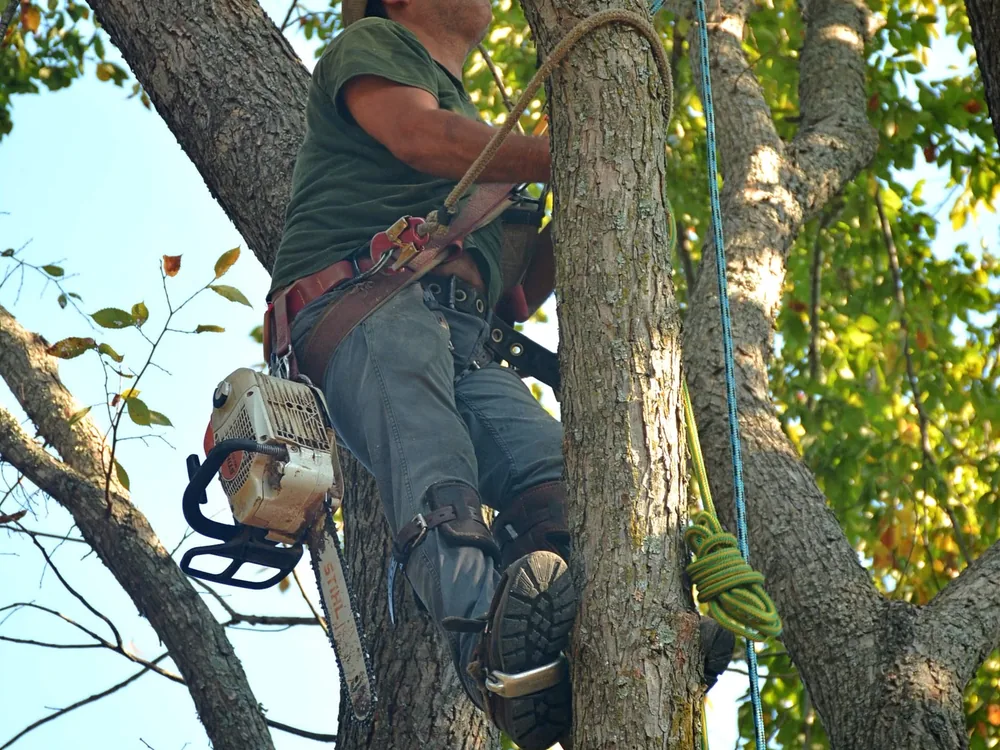
Event-driven work, and two very different halves of the state
Texas tree work does not arrive evenly. It arrives in events, and what the event looks like depends on which metro you run trucks in. Between those events there is a long stretch of ordinary weeks where crews and equipment still have to be paid, and that gap is the actual business problem a Texas operator is trying to solve.
Oak wilt keeps producing removals
Oak wilt is described by Texas A&M Forest Service as one of the deadliest tree diseases in the US, responsible for killing millions of oaks across Texas, per KXAN's reporting on oak wilt after ice storms. Declining oaks are standing removal work that has nothing to do with the forecast.
Broad crowns fail, then pricing surges
Broad crowns on live oak and Bradford pear hold enough ice to snap major scaffold limbs during ice events, and emergency removal pricing commonly surges 30-50% in the weeks following a large ice storm, per this Dallas tree removal cost analysis. Those are the highest-value weeks of a Texas year, and the ones a shared lead is worthless in.
Dallas and Houston are different businesses
Demand differs sharply by metro: Dallas skews toward ice-storm damage, tornado-season cleanup and harder oak and elm work, while Houston is more hurricane- and pine-driven. A lead source that treats Texas as one market sends the wrong jobs to the wrong crews.
The conclusion for a Texas operator is uncomfortable but simple. Texas tree work is event-driven and regional, and a lead source that only performs the week after a storm leaves crews idle the rest of the year. Any channel can look excellent in the ten days after an ice storm, when every homeowner in the metro is already calling. The test of a lead source in this state is what it produces in March, in September, in the weeks when nothing has happened and the dying post oak in the back yard is still a job somebody has to sell. Steady non-emergency flow between events is what actually keeps a Texas crew busy, and it is what we build delivery around, with surge capacity sitting on top of it rather than instead of it.
From Texas storm call to your calendar, in four steps
We map your Texas service radius
Using property data, we identify homeowners in your Texas ZIP codes with mature trees and properties that fit the profile for removals, trimming, and preventative work.
Outreach reaches homeowners first
Our outreach reaches these homeowners directly. Responses range from urgent hazard removals after an ice or wind event to planned trimming and lot clearing, all genuinely interested.
A verified request becomes your lead
Every positive response is qualified and passed to you exclusively. One lead, one Texas tree company. You are the first and only crew calling about that tree.
Delivery fills the quiet weeks too
Choose a weekly or monthly package sized to your crew capacity. Start with a low-cost 3-day trial and judge lead quality before committing.
What a qualified Texas tree service lead looks like
Before any homeowner reaches your pipeline, they pass through our qualification conversation. For Texas tree service companies, that means:
- A verified homeowner with trees on their own property, not a neighbor complaint or a renter
- A property inside the Texas ZIP codes your crews actually cover, Dallas–Fort Worth, Houston, Austin, San Antonio or anywhere between
- A real job: removal, trimming, storm damage, declining or diseased trees, or lot clearing, noted before handoff
- Urgency level captured, so hazard jobs reach you flagged and fast in the days after an ice event
- Delivered to you exclusively, so you are not racing four other trucks to the driveway
"One large removal covers a month of leads. Steady flow is what keeps a three-man crew and a chipper truck paid between storms."
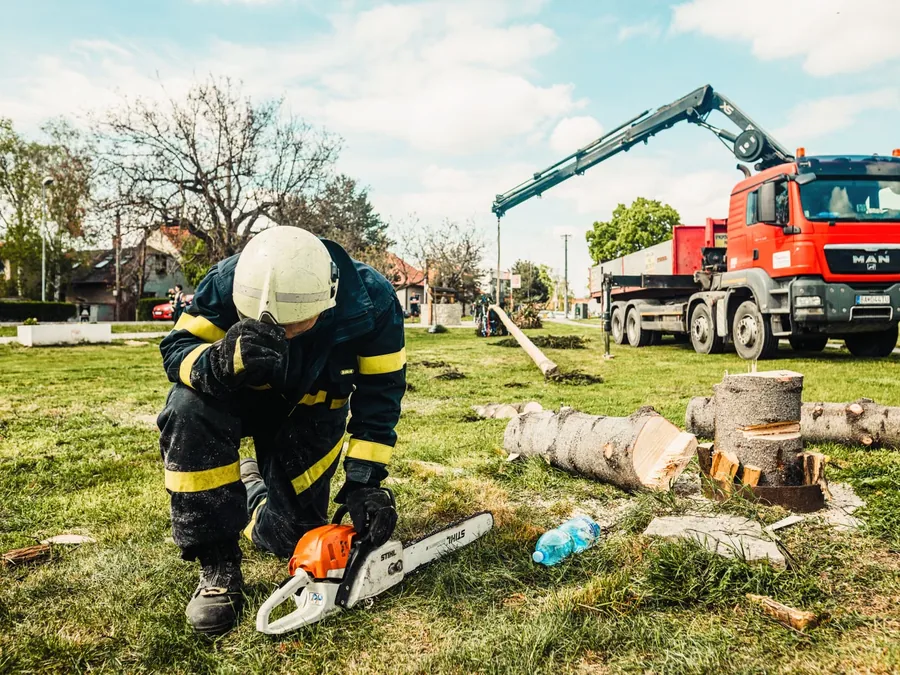
What tree service leads cost, and what storm work is really worth
An exclusive tree service call runs $40 to $100, and a shared one runs under $60, per Tree Traction's 2026 cost-per-lead benchmarks. Cost varies sharply by channel: Google Local Service Ads ($35–$85), Google Search Ads ($45–$85), Facebook and Instagram ($25–$45), and direct mail ($50–$85).
The standard-rate multiple storm and emergency tree work commands once crane work, structural damage, or night response is involved, per ArboStar's emergency tree removal pricing guide.
Exclusive leads vs. shared lead platforms
The real difference isn't the price per lead, it's what you actually pay per booked job.
| Shared lead platforms | Closer Growth | |
|---|---|---|
| Lead exclusivity | Sold to multiple companies | One homeowner, one contractor |
| Typical close rate | 3–5% | 40–60% |
| Real cost per booked job (example) | $750 | $160 |
| Contract required | Varies by provider | No retainers, no lock-in |
| Bad-lead replacement | Varies by provider | Free, guaranteed |
| Trial before you commit | Varies by provider | Low-cost 3-day trial |
Common questions from Texas tree service companies
Dallas and Houston need different work. How is that handled?
Demand differs sharply by metro: Dallas skews toward ice-storm damage, tornado-season cleanup and harder oak and elm work, while Houston is more hurricane- and pine-driven. Because service areas are locked by ZIP code and the qualification conversation captures what the homeowner actually needs, a Dallas crew gets Dallas-shaped jobs and a Houston crew gets Houston-shaped jobs. You are never sent leads for work your equipment and crew are not set up to do.
Do you deliver leads between storms, or only after one?
Between them, primarily. Texas tree work is event-driven, and a lead source that only performs the week after a storm leaves crews idle the rest of the year. Outreach runs continuously, so the dying oak a homeowner has been meaning to deal with and the limbs over the garage surface in ordinary weeks. Steady non-emergency flow between events is what actually keeps a Texas crew busy.
Do you get oak wilt and disease-related inquiries?
Yes. Oak wilt is described by Texas A&M Forest Service as one of the deadliest tree diseases in the US, responsible for killing millions of oaks across Texas, so declining and dead oaks are a standing source of removal work statewide. Those inquiries arrive alongside storm and trimming requests, with the homeowner's description of the problem noted before handoff.
Can you keep up after a major ice storm?
Yes, and we size delivery to your crew capacity rather than dumping volume on you. Broad crowns on live oak and Bradford pear hold enough ice to snap major scaffold limbs during ice events, and emergency removal pricing commonly surges 30-50% in the weeks following a large ice storm, so those weeks are the most valuable of the year. Urgency is flagged on every lead so your dispatcher can triage hazard work first.
Are these leads exclusive?
Yes. Each homeowner lead goes to one Texas tree service company only, and client territories never overlap.
How much do tree service leads cost in Texas?
Pricing depends on your market and the volume you want delivered per week or month, so we walk through real numbers on a call rather than quoting a flat rate here. Every relationship starts with the low-cost 3-day trial, so you see your own cost per booked job before committing to a larger package.
See the Texas tree service leads before you commit.
Start with a low-cost 3-day trial. Consistent tree service leads across Texas, exclusive to you, delivered straight to your pipeline.
Book your strategy call